What Happens To Bitcoin When All Coins Are Mined : all about bitcoins #cryptocurrencyminingrig | Bitcoin ... - How will they make their living and what will incentivize them to keep the network secure?. The bitcoin blockchain was designed around the principle of controlled supply, which means only a fixed number of newly minted bitcoin can be mined each year until a total of 21 million coins have been minted. Transaction fee rewards will not match the rewards miners receive for bitcoin mining. It is when the number of bitcoins that are mined per block is cut in half. What happens when all the bitcoins have been mined? When all of them are mined, new ones will not appear.
It concluded by saying that once bitcoin's supply ran out, the reward system could be replaced by transaction fees. Yet, since bitcoin is sustained by a network of miners who are compensated in block rewards, many people wonder what happens when all the bitcoins have been mined?. The last bitcoin won't be mined until around 2140. If the miner's think they are getting profit even just with the transaction fees, they will continue. They also get the process traction fee however with the reward of bitcoin and the price of bitcoin that makes up a vast amount of the money made.
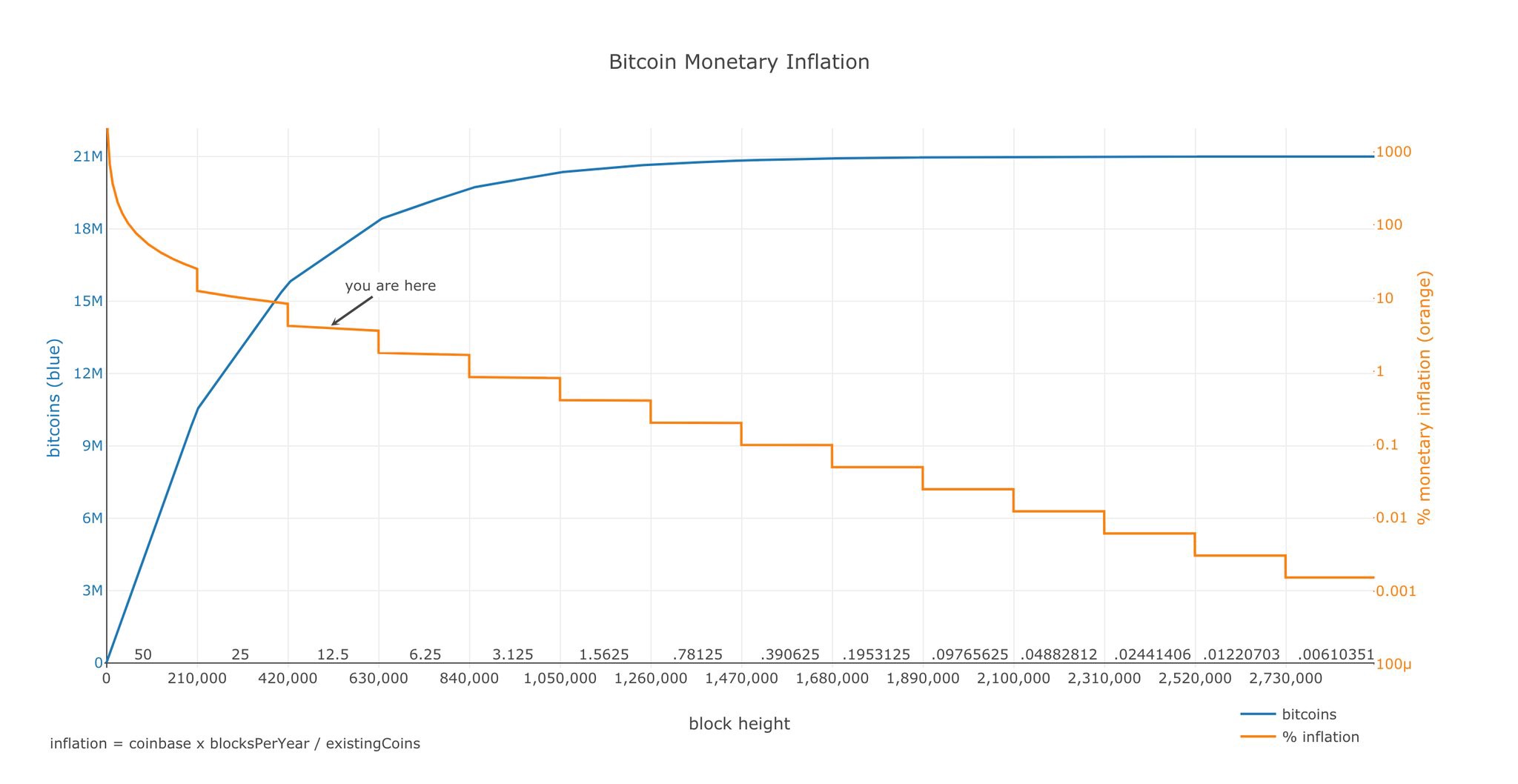
Bitcoin price: 80% of cryptocurrency mined - What next ... from cdn.images.express.co.uk Bitcoin halving refers to how bitcoins will be released into its circulating supply over the years. Its over 100 years from now. It concluded by saying that once bitcoin's supply ran out, the reward system could be replaced by transaction fees. If the miner's think they are getting profit even just with the transaction fees, they will continue. There will eventually come a time when bitcoin mining ends; Miners can continue securing the network since they will still earn from the said fees. The reason is that the amount of bitcoin issued as a reward gets halved every four years. It's expected that the next halving event will take place in 2024, reducing the amount of bitcoin in a block reward to just 3.125 btc.
Bitcoin miners do not just get bitcoin though from their mining power.
Per the bitcoin protocol, the total number of bitcoins will be capped at 21 million. Scarcity will kick in, logically value will rise. In exchange, bitcoin miners receive bitcoin and transaction fees. When a miner picks and solves the block, he receives two different rewards for his work. This reward incentivizes miners to behave correctly and protect the network. It concluded by saying that once bitcoin's supply ran out, the reward system could be replaced by transaction fees. Bitcoin miners keep bitcoin alive by minting new coins and creating new blocks, i.e. As of now, bitcoin mining is an incentive activity because of the block reward and transaction fees. Bitcoin's scarcity also drives its value. There will eventually come a time when bitcoin mining ends; When all of them are mined, new ones will not appear. Bitcoin mining verifies transactions the complex mathematical problems mining rigs solve to earn fresh bitcoin are the glue that holds together the blockchain. Currently, block rewards constitute new bitcoins and will half after every four years until 21 million bitcoins have been mined by the year 2140.
Miners that verify blocks on the bitcoin blockchain are entitled to the transaction fees. Your answer is more an opinion of which cryptocurrency will be most important in the future, than an answer to what happens to the btc network when all the coins are mined. As you know, a total of 21 million bitcoins are available for mining. The falling profit margin either due to the evolution of bitcoin, halving events as well as the final exhaustion of bitcoin reserves presents a challenge to miners who are uncertain of the future. Bitcoin miners keep bitcoin alive by minting new coins and creating new blocks, i.e.
How Many Bitcoins are Left: What Happens When All the ... from mk0unblocknetxq0y249.kinstacdn.com Currently, when a new block is created, miners receive a block reward, which contains both newly minted bitcoins and transaction fees. When all bitcoins are mined nothing will happen. Bitcoin miners keep bitcoin alive by minting new coins and creating new blocks, i.e. Currently, miners generate 900 bitcoins per day (mining reward of 6.25 bitcoins every 10 minutes). This stands in stark contrast to national currencies, which are constantly expanding. The halving is exactly as it sounds. How will they make their living and what will incentivize them to keep the network secure? Currently, block rewards constitute new bitcoins and will half after every four years until 21 million bitcoins have been mined by the year 2140.
The bitcoin blockchain was designed around the principle of controlled supply, which means only a fixed number of newly minted bitcoin can be mined each year until a total of 21 million coins have been minted.
Bitcoin mining will still be profitable after all bitcoins are mined. As of february 24, 2021, 18.638 million bitcoins have been mined, which leaves 2.362 million. Bitcoin miners do not just get bitcoin though from their mining power. This reward incentivizes miners to behave correctly and protect the network. There will eventually come a time when bitcoin mining ends; Bitcoin miners keep bitcoin alive by minting new coins and creating new blocks, i.e. Bitcoin halving refers to how bitcoins will be released into its circulating supply over the years. Per the bitcoin protocol, the total number of bitcoins will be capped at 21 million. Its over 100 years from now. Your answer is more an opinion of which cryptocurrency will be most important in the future, than an answer to what happens to the btc network when all the coins are mined. The last bitcoin won't be mined until around 2140. Bitcoin has a finite supply limit of 21 million coins. Miners do not create any new bitcoins, even if it seems like they do.
Fiat money supply is constantly growing because the government benefits from inflation. They also get the process traction fee however with the reward of bitcoin and the price of bitcoin that makes up a vast amount of the money made. In exchange, bitcoin miners receive bitcoin and transaction fees. This reward incentivizes miners to behave correctly and protect the network. Despite bitcoin being designed with a limited supply of 21 million coins, cane island estimates that a maximum of only 14 million bitcoin will ever circulate due to the rate at which coins are lost.
What Happens When All Bitcoins Are Mined - Changelly from changelly.com There are only 21 million bitcoins available for mining. In exchange, bitcoin miners receive bitcoin and transaction fees. Fiat money supply is constantly growing because the government benefits from inflation. Your answer is more an opinion of which cryptocurrency will be most important in the future, than an answer to what happens to the btc network when all the coins are mined. Currently, when a new block is created, miners receive a block reward, which contains both newly minted bitcoins and transaction fees. Of all of the questions regarding what will happen with there is no more bitcoin to be mined, the matter of exactly how transactions and fees will be impacted has to be the among greatest. Given that bitcoin mining becomes obsolete by 2140, miners will lose the lucrative position. Transaction fees could rise substantially if there is an increase in volume of transactions.
The bitcoin blockchain was designed around the principle of controlled supply, which means only a fixed number of newly minted bitcoin can be mined each year until a total of 21 million coins have been minted.
Once they're all mined, which should occur in around 2140, no new bitcoins will enter circulation. It's expected that the next halving event will take place in 2024, reducing the amount of bitcoin in a block reward to just 3.125 btc. Given that bitcoin mining becomes obsolete by 2140, miners will lose the lucrative position. When a miner picks and solves the block, he receives two different rewards for his work. While these fees represent only a tiny portion of most miners' revenues right now, that will change. Bitcoin has a long way to go before we worry about that. What happens when all the bitcoins have been mined? Bitcoin's scarcity also drives its value. This stands in stark contrast to national currencies, which are constantly expanding. Scarcity will kick in, logically value will rise. A report cited by the new york times states that, of the 18.5 million bitcoin mined so far, an estimated 20 percent appear to be inaccessible or lost. Per the bitcoin protocol, the total number of bitcoins will be capped at 21 million. Over time as the halving continue the processing fee the miners get will be an increasing percentage of the amount that miners make.